- Products
SensorsMicrophone kitEar simulatorMouth SimulatorShakerPreamplifiersSpeed SensorsSensor AccessoriesMeasurement microphoneArtificial MastoidPlane SourceVibration SensorsSimulator HeadCalibratorDynamic ForceInstrumentsPM SerialsLR SerialU SerialsN SerialsWind Noise SimulatorSound Level MetersRotary tablesSoftwaresBuildGoAudioExpertVQBenchStingerSIO LabMagnumBT LabSignalBenchAccessoriesAuxiliary InstrumentsAnechoic ChambersCablesInstallation kits
- Solutions
- Technology
- About Us
-
 CN
CN
Sound Power Testing Solution
Project Overview
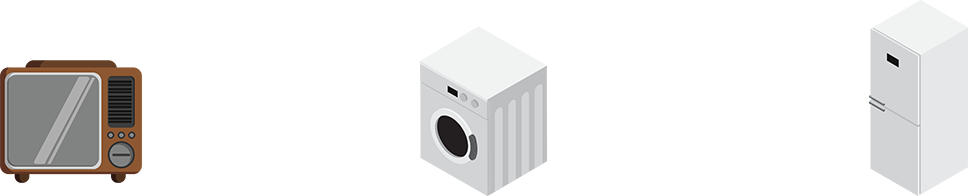
When people purchase tools, home appliances, mechanical equipment, and other devices, the noise level of the equipment has gradually become an important factor to consider. Although the level of sound pressure is an important indicator for evaluating the size of noise, the magnitude of sound pressure is affected by the test distance and the environment during measurement. Therefore, sound pressure alone cannot be used to measure the sound radiating energy of a sound source. At this time, we need to test the sound power of the product.
An Introduction
GB/T 3768-2017 / ISO 3746:2010 (Simple method using the measurement surface that is enveloped by the reflection surface)
GB/T 3767-2016 / ISO 3744:2010 (Engineering method for an approximate free field over the reflecting surface)
GB/T 6682-2016 / ISO 3745:2012 (Precision methods for anechoic and semi-anechoic rooms)
GB/T 4214.1 Noise testing methods for household and similar electrical appliances - A series of test standards
IEC 60704 Household and similar electrical appliances - Test code for the determination of airborne acoustic noise - A series of standards
GB/T 34877.3-2017 Measurement of sound power levels of industrial fans under standard laboratory conditions - Part 3: Enveloping surface method
GB/T 18801 Air purifiers

Configuration List
Summarize
About Us
Products
Solutions
Technology
Join Us
Contact Us

Copyright © 2014 MegaSig. All rights reserved. 版权所有 粤ICP备15009411号
